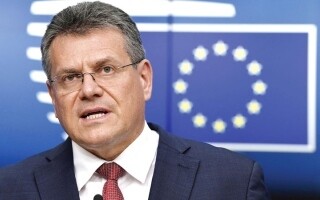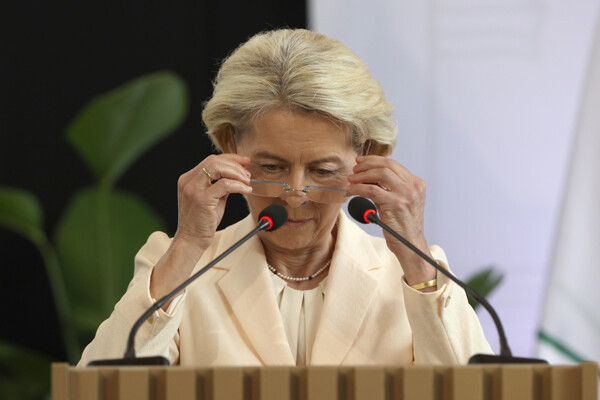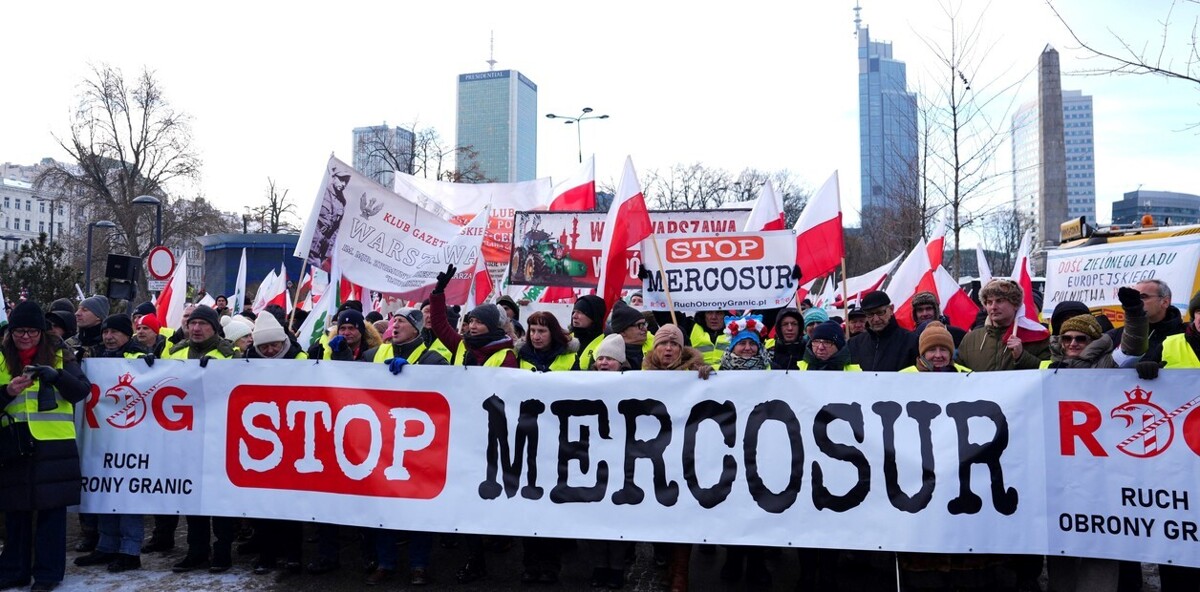
BRUSSELS, January 9, 2026 – Total News Agency-TNA – The European Union took a decisive step this Friday by approving, by a qualified majority of its Member States, the free trade agreement with Mercosur, an understanding long negotiated for over 25 years and marked by strong internal resistances, particularly from the European agricultural sector and the government of France. To move the process forward, unanimity was not necessary, but rather the support of a qualified majority, a mechanism that allowed progress despite significant political resistance. The trade agreement, which will link the European bloc with the countries of Mercosur—Argentina, Brazil, Uruguay, and Paraguay—aims to eliminate tariffs, expand bilateral trade, and consolidate an integrated market of around 780 million consumers. From Brussels, they highlighted that this is the largest free trade agreement ever negotiated by the European Union, both in economic volume and geographical scope. However, the understanding was not without tensions. Paris maintains that the bases of the pact became outdated after decades of negotiation and do not adequately reflect current environmental demands. Despite these objections, powers such as Germany and Spain firmly positioned themselves in favor of the agreement, considering that it will open new export opportunities for European industry and services, and also strengthen the geopolitical projection of the EU in South America, a region where China has gained weight as an industrial supplier and raw materials buyer. From an economic point of view, estimates from Bloomberg Economics indicate that the agreement could boost the Mercosur bloc's GDP by up to 0.7%, while the impact on the European economy would be around 0.1%. With this political backing, the President of the European Commission, Ursula von der Leyen, was enabled to travel to Asunción and formally sign the agreement next Monday along with the involved South American countries. The approval was concretized in a meeting of ambassadors of the European Union held in Brussels, where the necessary majority was reached despite the explicit opposition of some Member States, including France and Ireland. President Emmanuel Macron described the agreement as "from another era" and questioned that it exposes sensitive and strategic agricultural sectors for European food sovereignty. In the hours leading up to the vote, protests by farmers were recorded in Paris and demonstrations in Poland, a reflection of the fear of the European agri-food sector of greater competition from South American products, especially in meats and grains. Beyond the numbers, in Brussels they emphasize that the understanding has a key strategic value in a global context marked by commercial competition and the reconfiguration of alliances. The agreement will still have to be ratified by the European Parliament, a process that promises to reopen the political debate, but it now comes with decisive institutional support from the bloc's governments. Critics argue that the entry of lower-cost imports could affect the profitability of local producers and put environmental and sanitary standards at risk. A key point to unblock the approval was the turnaround of Italy, which weeks earlier had blocked ratification at the European summit and had become the decisive vote. Rome ended up supporting the agreement after the European Commission offered additional resources for the agricultural sector in the next multiannual budget of the bloc and agreed to strengthen safeguard clauses. These safeguards include the possibility of initiating investigations to suspend preferential tariffs if a significant increase in imports from South America or a fall in prices compared to the average of the last three years is detected. The threshold to activate this mechanism was finally set at 5%, below previous proposals, after pressure from reticent countries and the European Parliament. France maintained its rejection.