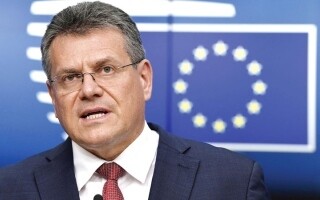
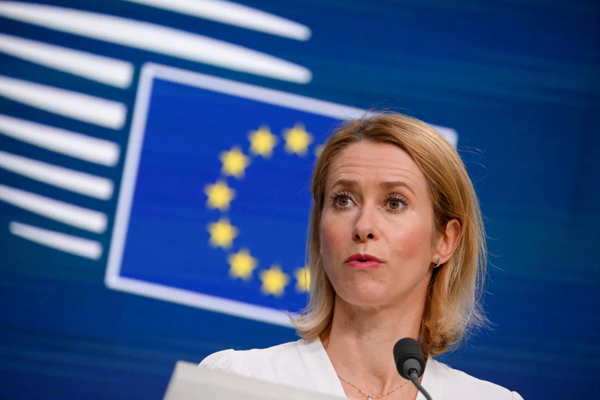
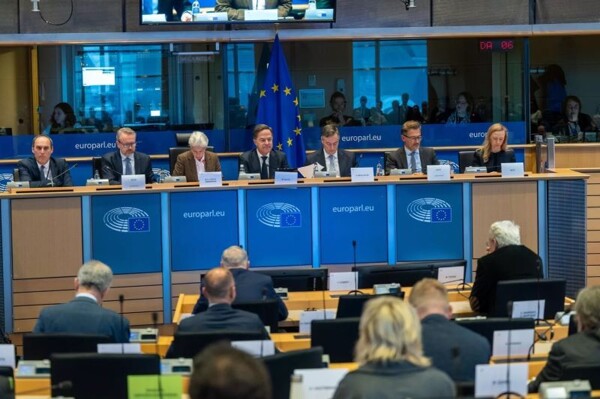
Today in Brussels, several leaders of Europe will meet, including British Prime Minister Rishi Sunak, for an informal discussion on issues of security and defense, five years after Britain's exit from the EU. The scheduled meeting did not suggest the presence of an analysis of the aggression from the United States towards European states, but the initial demands of U.S. President Donald Trump regarding Greenland, a territory under Danish jurisdiction, caused shocking statements in support of Danish Prime Minister Mette Frederiksen, who is a significant figure in the daily agenda of European leaders.
Less than a year after the start of the meeting between Trump and Frederiksen, which lasted 45 minutes and was characterized as "terrible", the diplomacy of Trump is being revived with his "aggressive" approach against the backdrop of the slogan "America First". This may lead to further provocations, sometimes even aggressive statements from the White House, which may turn into a point of reference for resolving in the final outcome, but the challenges posed by the second term of President Trump are enormous and widespread.
It should also be noted that the threat of the introduction of customs duties from Trump's side in response to the trade deficit in the European Union would further weaken the already fragile economic situation amid deteriorating economic growth rates and declining living standards. Trump's advisers from major technology companies insist on the de-escalation of Brussels' regulations regarding social networks to protect their high margins in discussions.
Specifically, Ukraine will have to fight to guarantee that Washington does not impose unjust moral obligations on Kyiv. The rules imposed by the EU in discussions with U.S. companies also attract Trump's attention. European leaders Emmanuel Macron and Olaf Scholz emphasized the need for unity of purpose to protect European interests and values, but external circumstances do not contribute to this, as both the President of France and the Chancellor of Germany lead countries immersed in internal political crises.
Federica Merz, a probable future Chancellor of Germany, is being embraced by the far-right party "Alternative for Germany" due to their past opposition to her predecessor’s commitments, which became the subject of criticism from the previous Chancellor of Germany Angela Merkel.
There is a likelihood that the prolonged rule of Trump will lead to further shifts in diplomatic processes, and the EU has the possibility to adapt to the changing global context, leveraging its strong sides as an economy unifying 450 million people and strengthening strategic independence in the fields of technology, artificial intelligence, and green transition.