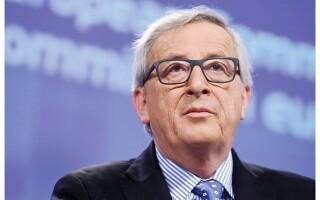
Politics and humor are closely intertwined. Diplomats often joke in tense situations to relieve stress and show that they are dealing with people, not machines. Former British diplomat Chris Fitzgerald noted that the best jokes are those that are not scripted and show an understanding of the other person's culture. Belgian Prime Minister Bart De Wever, considered one of Europe's wittiest leaders, uses 'black humor' to express his point of view. Lithuania's former foreign minister, Gabrielius Landsbergis, believes the absurdity of modern politics requires laughter. Under pressure or in informal settings, politicians can reveal more than in formal speeches. The EU's High Representative for Foreign Affairs, Kaja Kallas, joked that the state of the world is a good time to 'escape reality'. Some jokes become political facts, like Jean-Claude Juncker's famous remark that European leaders 'know what to do, but don't know how to get re-elected'. Politicians are also human, and sometimes they say what they are thinking, jokingly or under work pressure. Such moments can reveal their true feelings about issues they cannot discuss publicly. Psychologist Ashley Weinberg explains this by saying that politicians have a limit to their patience, and then a 'leak' of not fully thought-out ideas occurs. Even the royal family, known for its restraint, can make informal remarks. For instance, King Charles III, upon meeting his new Prime Minister Liz Truss in 2022 amid a controversy over her budget, smiled and said: 'Back again? Dear God, me'.